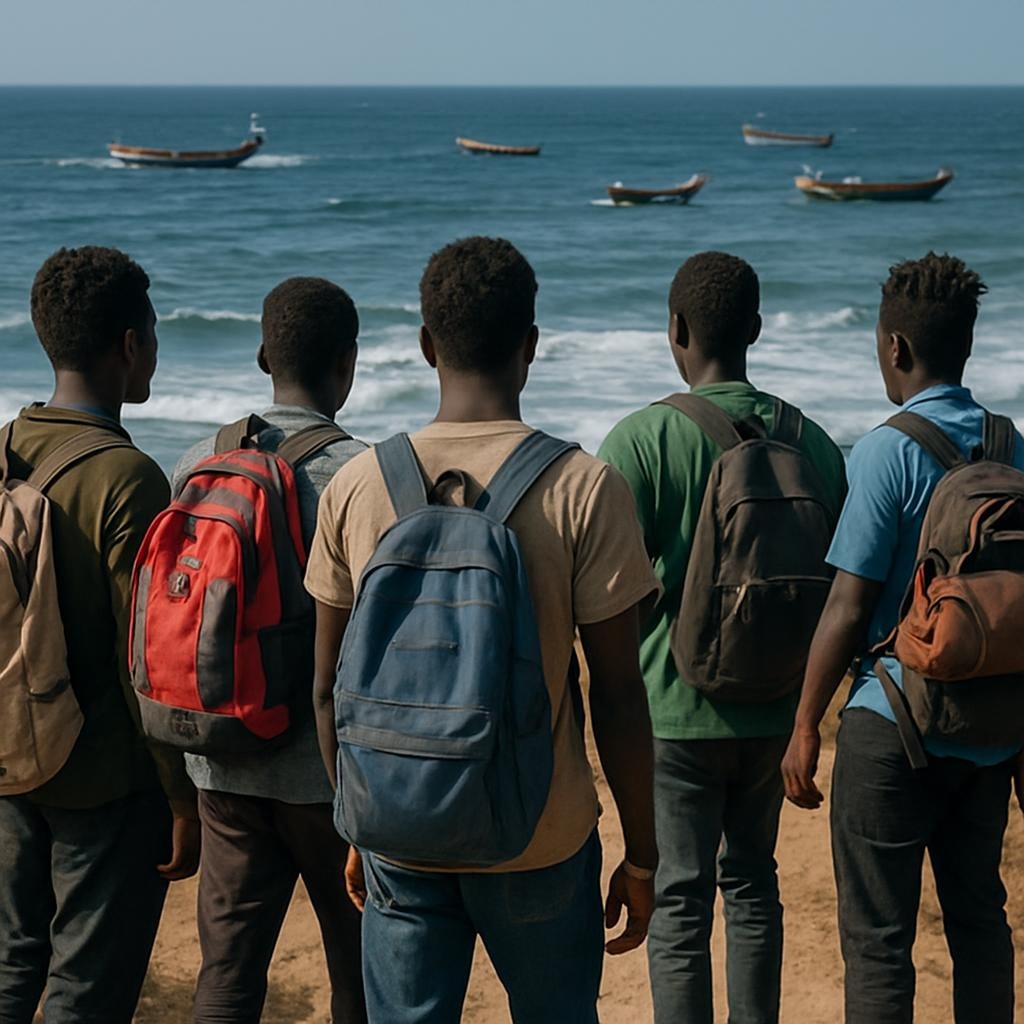
Agri-business farming can play a crucial role in empowering Gambian youths by providing them with valuable skills training, reducing drug use, and curbing illegal migration across the Atlantic Ocean through the following ways:
- Skills Development and Employment Opportunities
Agri-business farming offers practical training in modern agricultural techniques, farm management, and agribusiness entrepreneurship. By equipping youths with these skills, they can secure meaningful employment or start their own farming ventures, leading to financial independence and a sense of purpose. - Economic Empowerment
With access to resources and markets, young people can generate sustainable income from agriculture. Economic stability reduces the allure of drug use as a coping mechanism and diminishes the desperation that often drives illegal migration. - Community Engagement and Support Networks
Agri-business projects often foster community collaboration and mentorship, creating supportive environments that encourage healthy lifestyles and positive social connections, which are essential in preventing substance abuse. - Raising Awareness and Education
Integrating drug prevention and migration awareness programs within agricultural training can educate youths about the risks of drug use and the dangers of illegal migration, promoting informed decision-making. - Creating Local Alternatives to Migration
By transforming agriculture into a profitable and respected sector, youths are offered viable alternatives to seeking risky opportunities abroad, reducing the incidence of dangerous Atlantic crossings. - Government and NGO Collaboration
Partnerships with governments and NGOs can provide additional resources, counseling, and monitoring to support youths in their transition away from drug use and illegal migration toward productive agricultural livelihoods.
In summary, agri-business farming serves as a multifaceted solution that equips Gambian youths with the skills, economic opportunities, and social support needed to overcome challenges related to drug use and illegal migration, fostering sustainable development within their communities.